February 9, 2026
If you've been vacuuming regularly and still notice your family sneezing, coughing, or dealing with unexplained allergies, your carpets might be silently sabotaging your indoor air quality. In Blacksburg homes, where we spend considerable time indoors during cold mountain winters, the air we breathe matters more than most of us realize.
The truth is, many well-meaning homeowners are unknowingly making their indoor air quality worse through common carpet cleaning mistakes. These errors don't just leave your carpets looking less than stellar, they can actually trap allergens, pollutants, and even mold spores that your family breathes in every single day.
Let's walk through seven critical mistakes that could be compromising your family's health, and more importantly, how to fix them.
Mistake #1: Relying Only on Surface Vacuuming
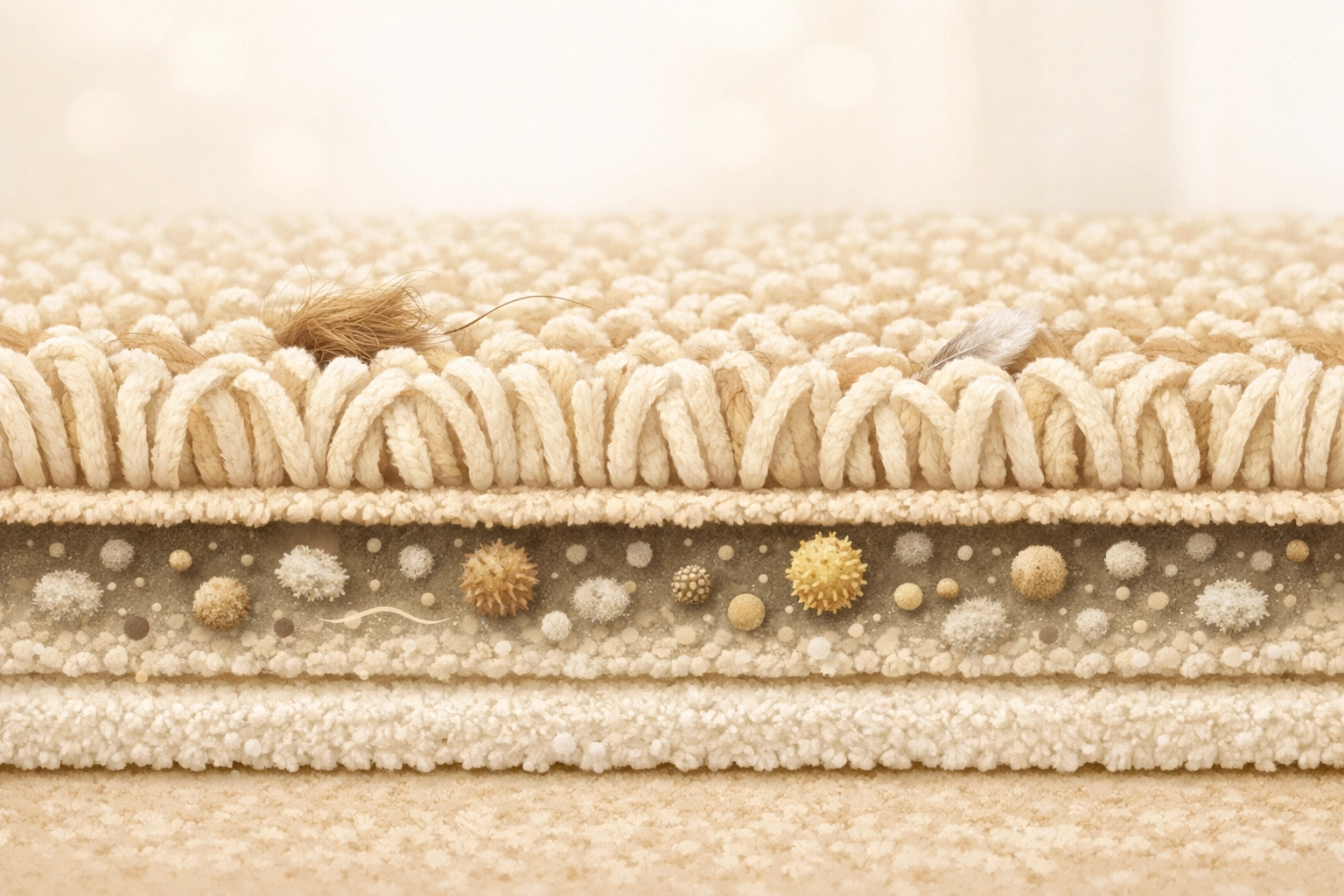
You vacuum every week like clockwork. Gold star for effort, right? Unfortunately, your standard vacuum cleaner only tackles what's visible on the surface. According to carpet cleaning research, vacuums handle surface dirt but fail to remove contaminants embedded deep within carpet fibers, sometimes several layers down.
Think of your carpet like a sponge. When you vacuum, you're essentially wiping the top of that sponge while everything beneath remains untouched. Dust mites, pet dander, dead skin cells, and outdoor pollutants tracked in from campus or hiking trails settle deep into the fiber base where regular suction can't reach them.
The Fix: Schedule professional deep cleaning every 6-12 months, depending on household traffic, pets, and allergies. Professional-grade equipment can extract pollutants from the base of carpet fibers, not just the surface. Between professional cleanings, vacuum slowly, giving your machine time to properly lift debris from deeper layers.
Mistake #2: Using a Vacuum Without Proper Filtration
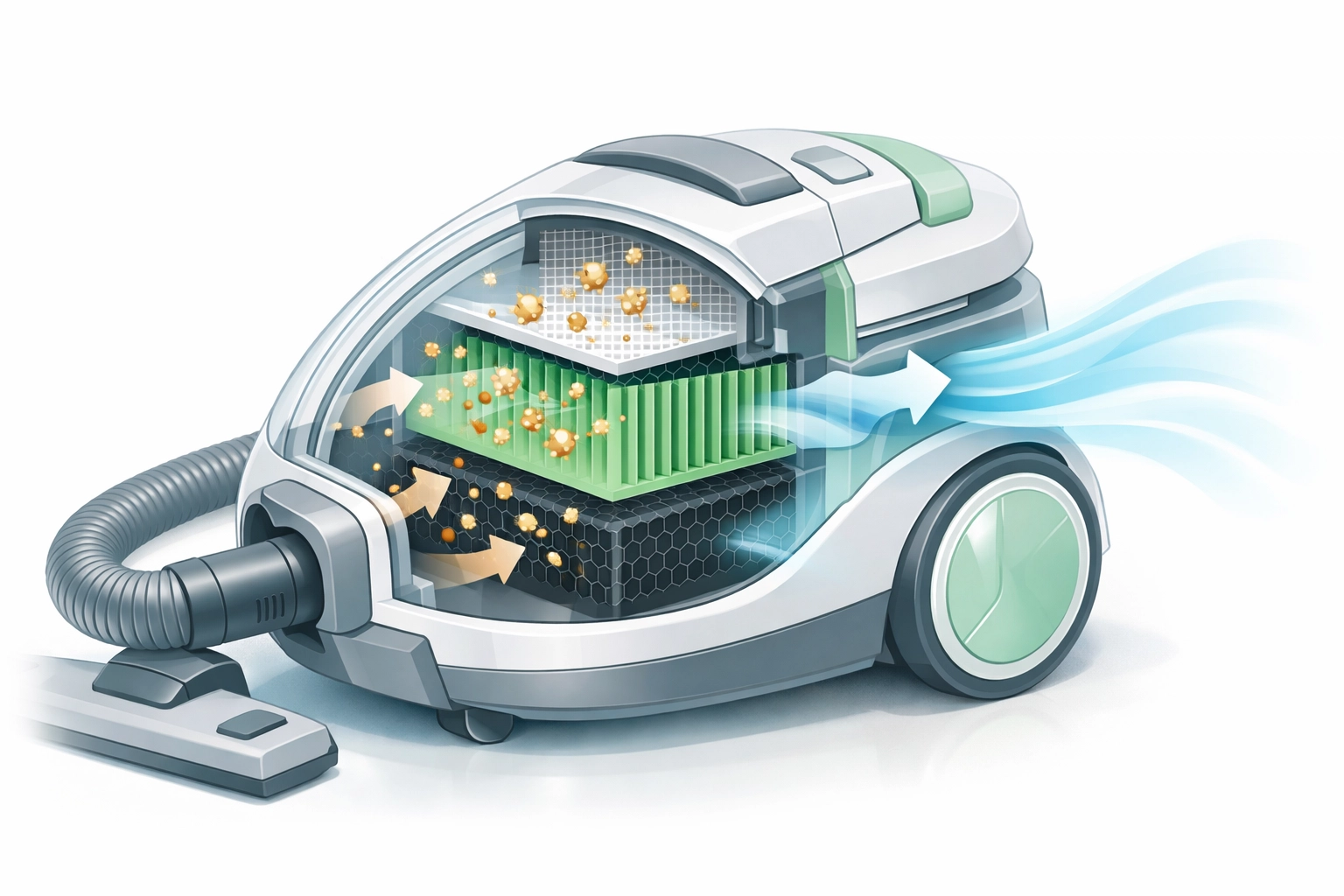
Here's an unsettling fact: older vacuums or those without certified HEPA filters can actually make your indoor air quality worse. These machines pick up dust and allergens, then blow fine particles right back into your breathing space through their exhaust systems.
If you've ever noticed a musty smell after vacuuming or found yourself sneezing more during cleaning sessions, your vacuum might be the culprit. Those microscopic particles, too small to see but large enough to irritate lungs and sinuses, circulate freely when your filtration system isn't up to the task.
The Fix: Invest in a vacuum with certified HEPA filtration, which captures 99.97% of particles as small as 0.3 microns. Yes, these vacuums cost more upfront, but they're an investment in your family's respiratory health. Also, replace or clean filters according to manufacturer recommendations, a clogged filter defeats the purpose entirely.
Mistake #3: Leaving Carpets Too Wet After Cleaning
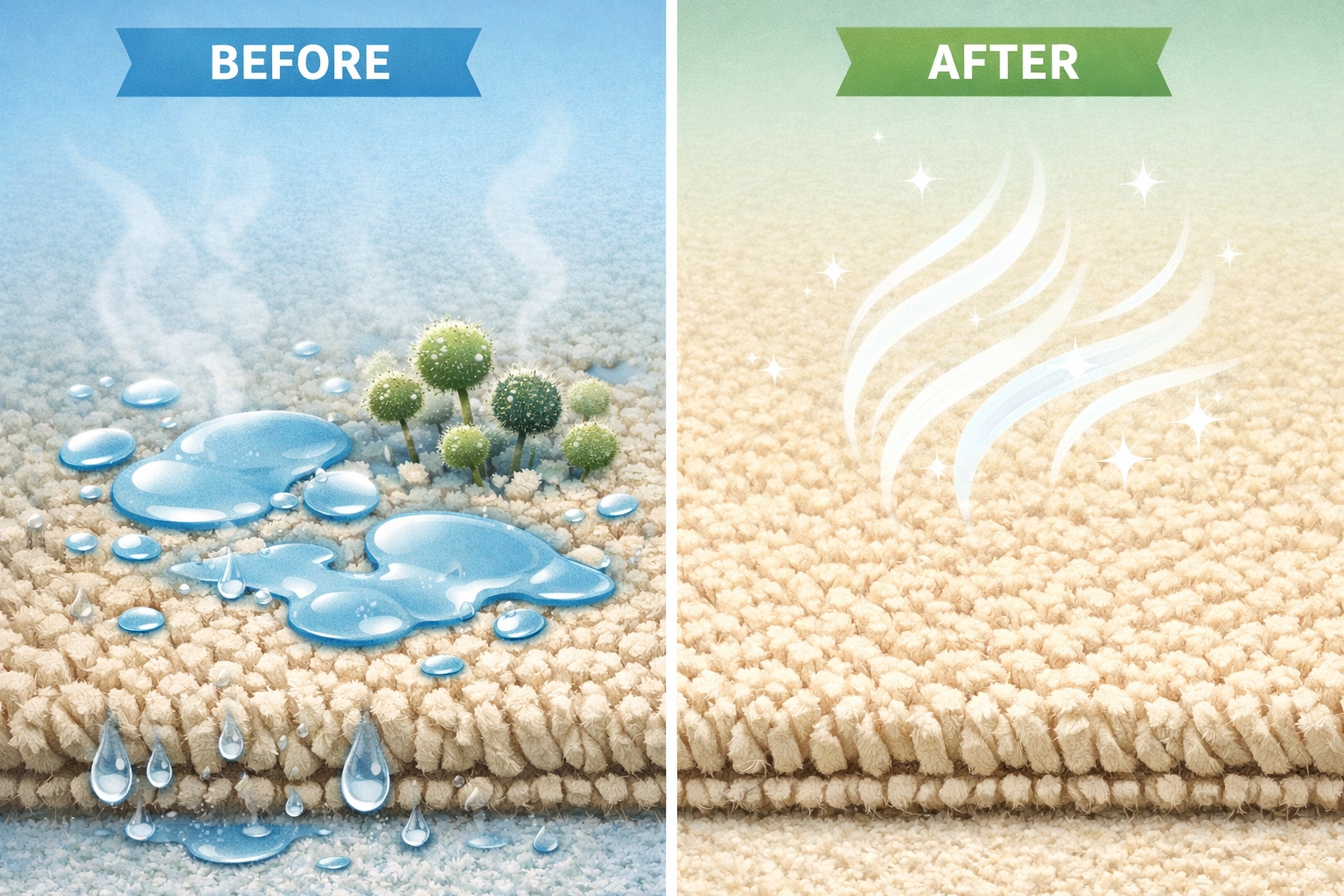
Water-based carpet cleaning methods can be effective, but here's the problem: if carpets stay wet for more than 24 hours, you've created a perfect breeding ground for bacteria, mold, and mildew. In Blacksburg's humid climate, especially during spring and summer months, this moisture issue becomes even more concerning.
Hot water extraction that soaks carpets through without proper drying can leave moisture trapped in padding and subfloors. That dampness doesn't just smell bad, it actively degrades your indoor air quality as mold spores multiply and release into your breathing space.
The Fix: If you're using a DIY carpet cleaner, make multiple dry passes to extract as much water as possible. Run fans and dehumidifiers, and avoid walking on carpets until they're completely dry. Better yet, consider professional services that use low-moisture or dry-polymer cleaning systems, which use 99% less water than traditional methods while achieving superior cleaning results.
Mistake #4: Ignoring the Invisible Pollutants You Can't See
What you can't see absolutely can hurt you. Microscopic dust mites, their fecal matter (yes, really), pet dander, pollen, and skin cells are significant triggers for asthma and allergies: yet they're completely invisible to the naked eye.
These allergens resist standard vacuum suction because they're either too small or too firmly embedded in carpet fibers. Meanwhile, they accumulate over months and years, creating an increasingly polluted environment that affects everyone in your household, especially children who play on floors and family members with respiratory sensitivities.
The Fix: For homes with allergy or asthma sufferers, professional carpet cleaning isn't optional: it's essential preventive health care. Look for cleaning services in Blacksburg that use hot water extraction methods proven to break down the oily bonds holding these allergens to fibers, then fully extract them from your home.
Mistake #5: Scrubbing Stains Instead of Blotting Them
When your child spills juice or your dog tracks in mud, instinct says scrub hard and scrub fast. Unfortunately, aggressive scrubbing does the exact opposite of what you want: it pushes stains deeper into carpet fibers and can damage the carpet backing.
Those ground-in stains don't just look bad. They create sticky residue that attracts more dirt over time, and some staining substances can harbor bacteria or produce odors that compromise air quality.
The Fix: Always blot stains gently from the outside in, using a clean white cloth. Apply cleaning solution sparingly and let it work before attempting removal. For stubborn or large stains, call in professionals who have the proper tools and solutions to remove stains without damaging fibers or leaving residue behind.
Mistake #6: Letting Moisture Sit After Spills
Similar to the wet carpet issue, allowing spills to sit creates immediate and long-term problems. Whether it's a knocked-over water glass, pet accident, or leaky plant pot, moisture that seeps into carpet padding creates ideal conditions for mold growth within 24-48 hours.
Mold doesn't always announce itself with visible growth or obvious smells. Sometimes it develops silently beneath the surface, releasing spores into your indoor air that can trigger allergic reactions, respiratory issues, and other health concerns: especially problematic for children, elderly family members, and anyone with compromised immune systems.
The Fix: Address spills immediately. Blot up as much liquid as possible, then use fans and dehumidifiers to dry the area thoroughly. For large spills or suspected water damage, contact professionals who can assess moisture levels in padding and subfloors using specialized equipment. Sometimes saving a carpet means acting within hours, not days.
Mistake #7: Skipping Regular Professional Cleanings
This might be the most common mistake of all. Many Blacksburg families wait until carpets look visibly dirty before scheduling professional cleaning. By that point, contaminants have already accumulated to levels that compromise indoor air quality, and the damage may be partially permanent.
Research shows that pollutants embed deep within carpet fibers over time, evading standard cleaning methods. Waiting for visible dirt means you've been breathing contaminated air for weeks or months. For households with children, pets, or anyone with respiratory sensitivities, this delay can have real health consequences.
The Fix: Establish a regular professional cleaning schedule based on your household needs:
- Homes with pets or children: Every 3-6 months
- High-traffic households: Every 6-9 months
- Low-traffic, adult-only homes: Every 12 months
Professional carpet cleaning in Blacksburg shouldn't be viewed as a luxury or cosmetic service: it's preventive health maintenance for your family.
Why This Matters for Blacksburg Families
Living in the beautiful Blue Ridge region means we love the outdoors, but it also means tracking in pollen, soil, and outdoor allergens year-round. Our temperature fluctuations and humidity levels create additional challenges for maintaining healthy indoor environments.
Your carpets act as giant filters, trapping everything that enters your home. When those filters get saturated and aren't properly maintained, they stop protecting you and start polluting your indoor air instead.
At Blue Ridge Green Cleaning, we've seen firsthand how proper carpet care transforms not just the appearance of homes, but the health and comfort of families living in them. Our eco-friendly approach means you don't have to choose between clean carpets and safe indoor air: you get both.
Take Action for Healthier Indoor Air
Review your current carpet care routine honestly. How many of these seven mistakes are you making? The good news is that awareness is the first step toward improvement, and every positive change you make contributes to healthier indoor air for your family.
Start with the simple fixes: upgrade your vacuum filter, address spills immediately, and stop scrubbing stains. Then, consider scheduling a professional deep cleaning to give your carpets (and your family's lungs) a fresh start.
Your family deserves to breathe clean, healthy air in their own home. Don't let common carpet cleaning mistakes compromise that basic necessity. If you have questions about proper carpet care or would like to schedule a professional cleaning, reach out to our team. We're here to help Blacksburg families create healthier homes, one carpet at a time.